
Export the Postcards Email Template to GetResponse
Explore the seamless integration between the Postcards email builder and GetResponse by exporting your custom email templates directly to your GetResponse account.
In this guide, we'll walk you through the simple process of exporting your email templates to GetResponse, ensuring your email campaigns maintain a consistent and professional look with minimal effort.
Download free email templates from our email template gallery.
Steps to Follow
Step 1: Open Your Desired Template
Begin by opening the Postcards app and selecting the template you would like to work with.
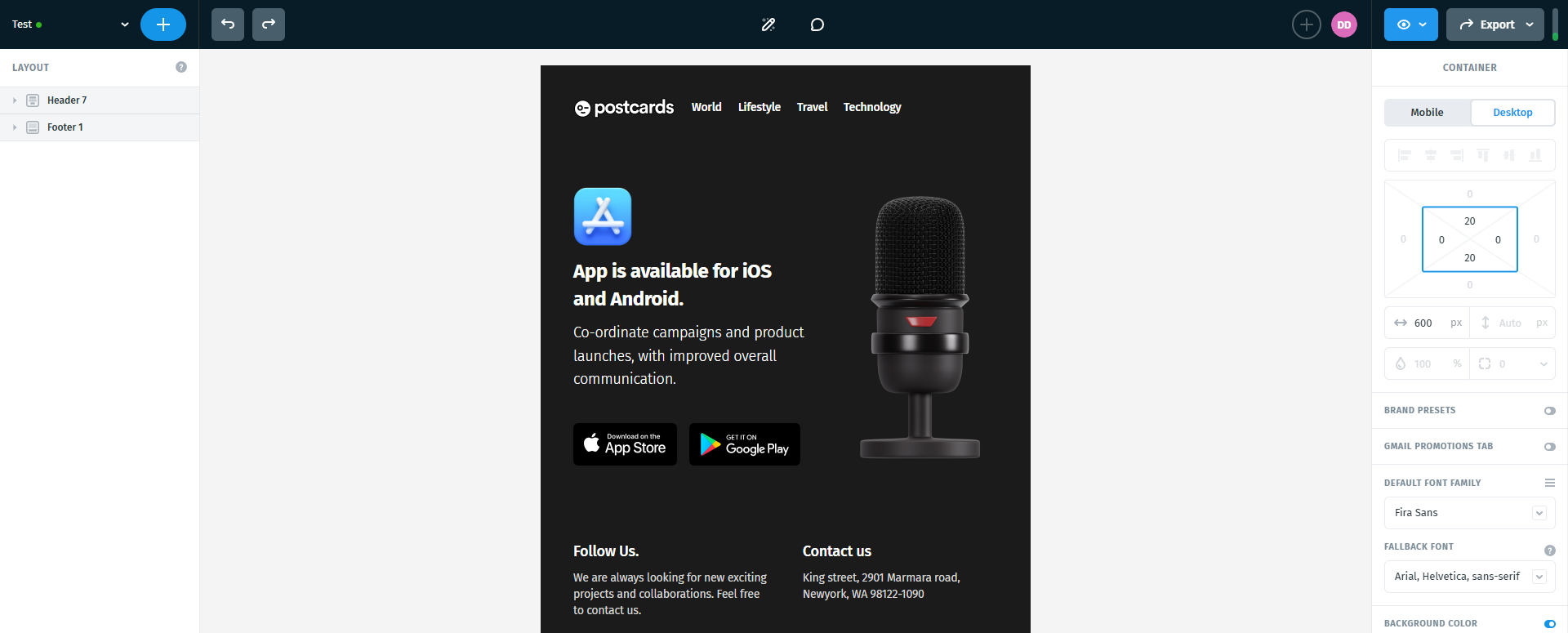
Step 2: Customize Your Template
Once your template is open, take some time to customize it according to your preferences. Adjust the content, images, and layout until everything matches your needs.
Step 3: Find the Export Option and Integrations
Once you're satisfied with your template's appearance, move your cursor to the top-right corner of the screen and click the "Export" option.
After clicking "Export," a drop-down menu will appear. From there, locate and select the "Send to Email Platform" option.

Step 4: Connect with GetResponse
In the integrations section, you'll see several one-click integration options. Locate "GetResponse" and select it.
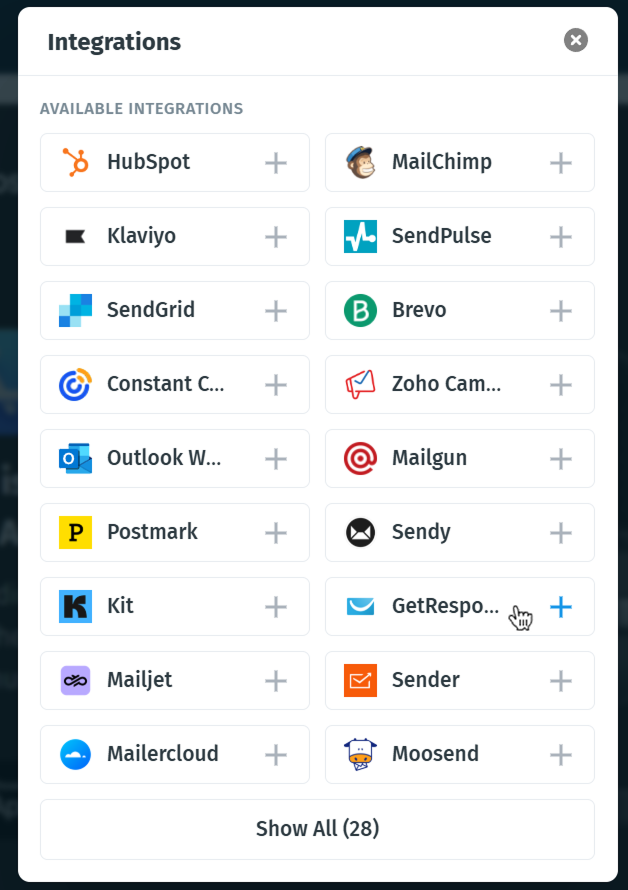
Step 5: Enter Your GetResponse Details
A pop-up window will appear asking you to enter your API Key.
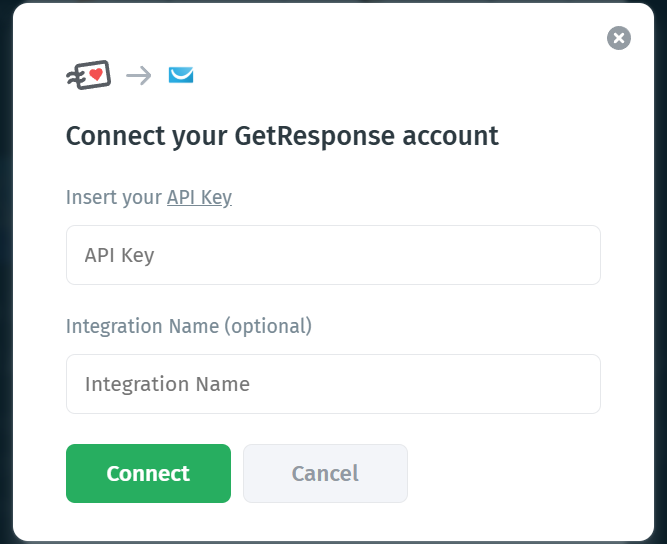
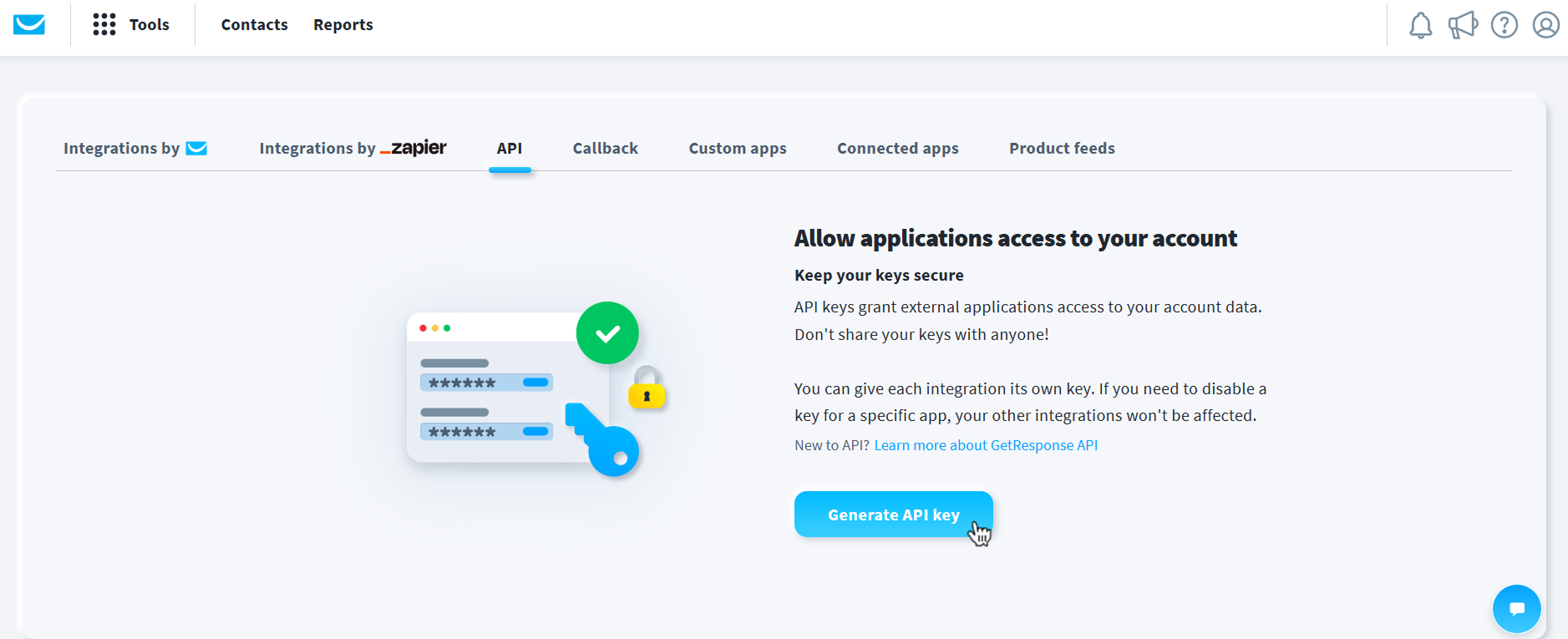
To find your API Key, click the API Key hyperlink. This will redirect you to your API Key page in GetResponse.
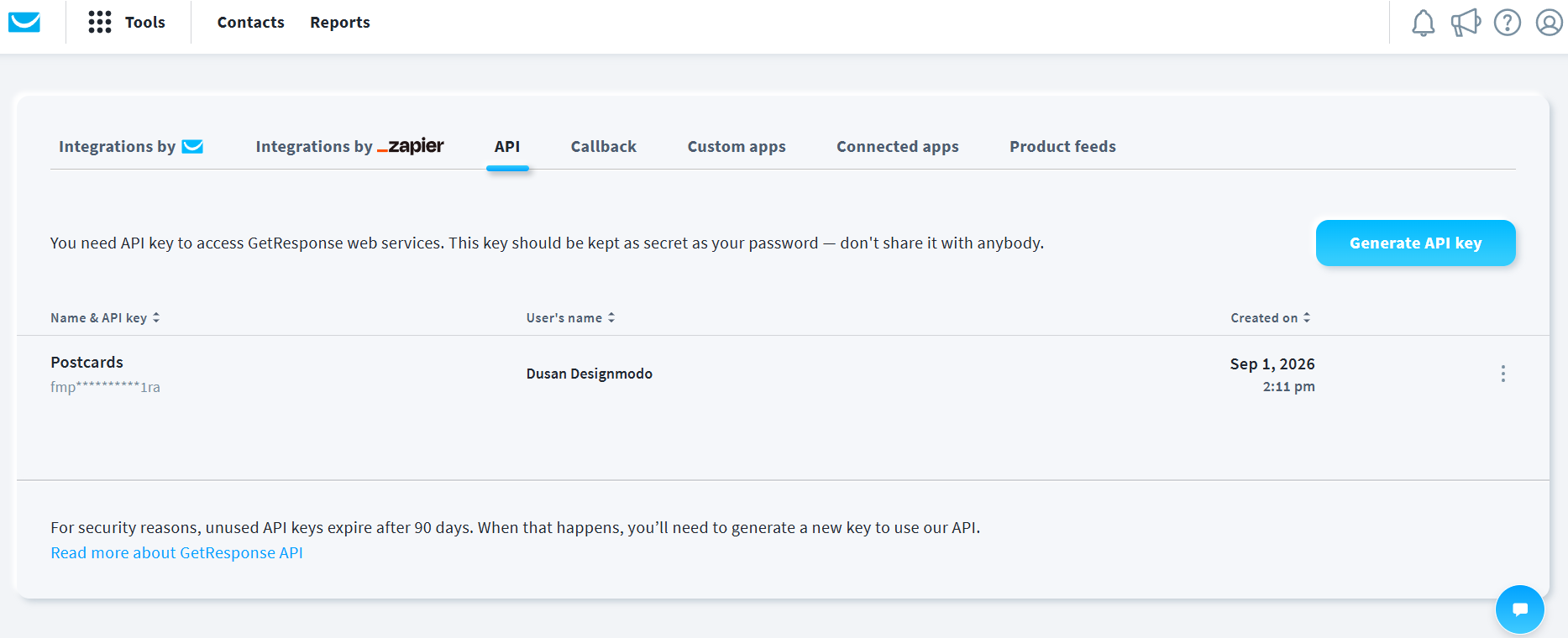
If you don't have an API Key configured, click Generate API Key to create one.
Step 6: Authorize the Connection
Enter your GetResponse API Key.
After entering your details, the form should look like this:
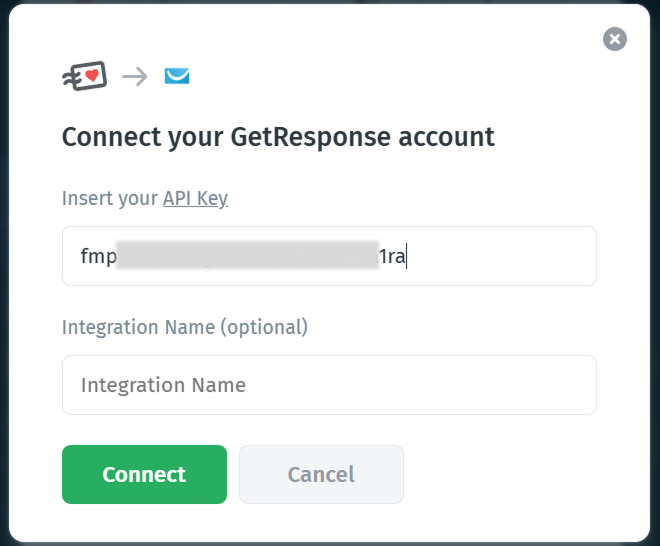
Click Connect to authorize the integration.
Step 7: Verify Your Template in GetResponse
Once the connection is complete, a hyperlink to your GetResponse templates will appear.
Click the link to open your GetResponse templates.
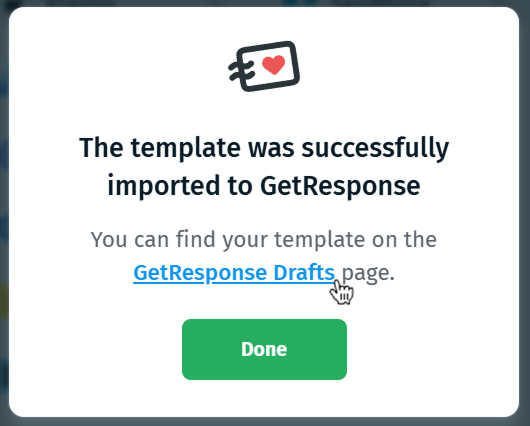
You should see the newly imported template there.
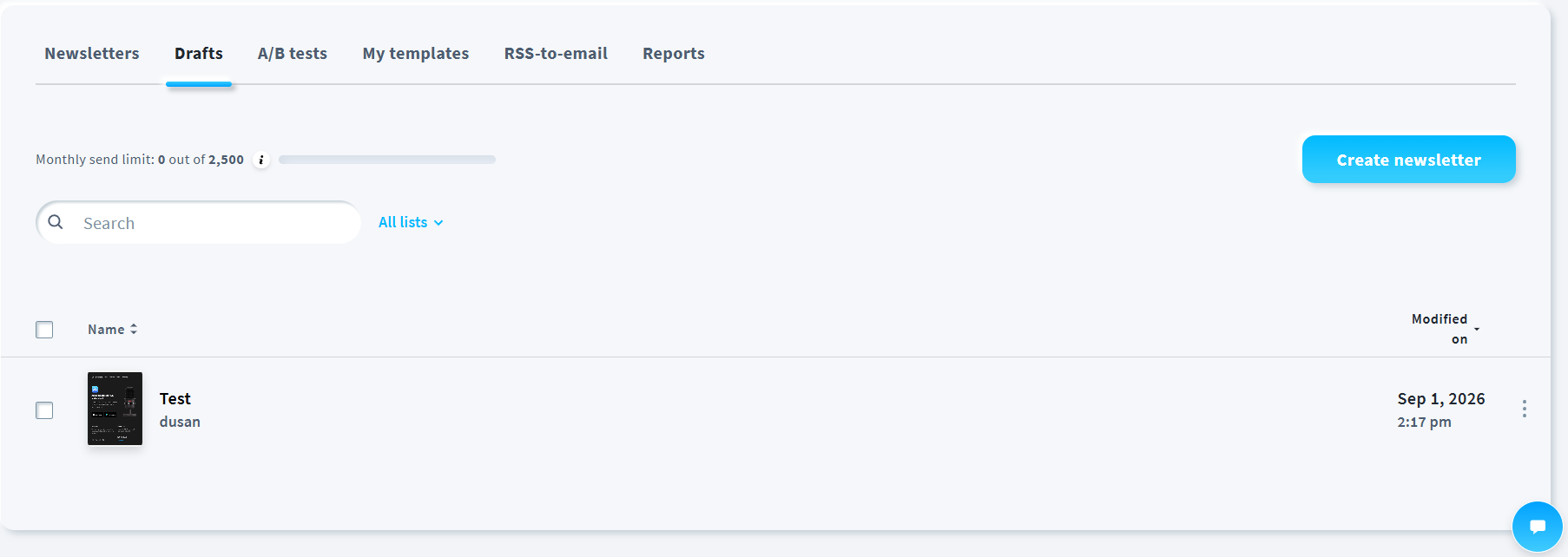
Open the template and compare it with the original version in Postcards to make sure everything looks as expected. Your template is now ready to use in your GetResponse email campaigns.
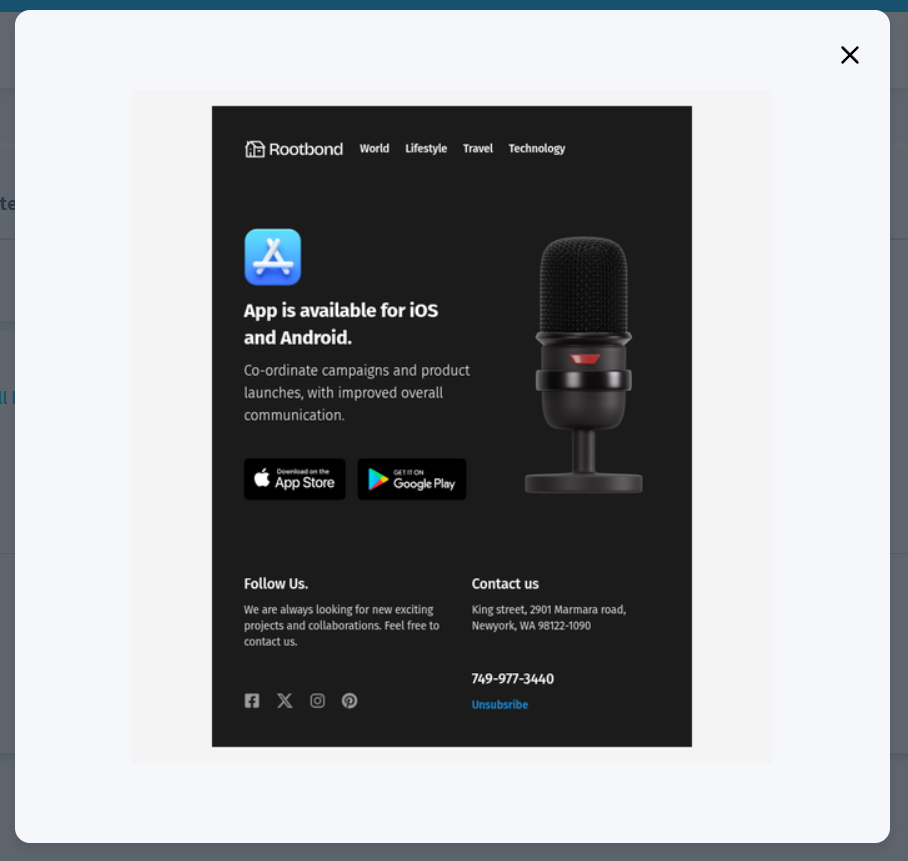
And there you have it — a quick and effortless way to transfer your email template from Postcards to GetResponse. Keep exploring, and see you next time!
Taking It Further — Personalizing Your Emails
When you export your Postcards template to GetResponse and send it, GetResponse automatically adds the required unsubscribe link to the footer of every email. You don't need to add any special tags in Postcards before exporting — this is handled on the GetResponse side.
If you want to go beyond the basics and personalize your emails with dynamic content — things like greeting recipients by name, showing different content based on custom fields, or adding conditional blocks — GetResponse has full support for this. You'll need to add the relevant tags directly in the GetResponse editor after importing your template.
For a practical introduction, check out How to Personalize Your Emails with Dynamic Content on the GetResponse blog. For the full syntax reference, see the Dynamic Content API documentation.
What we covered
- How to export a Postcards email template to GetResponse using the one-click integration
- How GetResponse automatically handles the unsubscribe link in the footer of every email
- How to personalize your emails with dynamic content using GetResponse's merge tags and conditional blocks